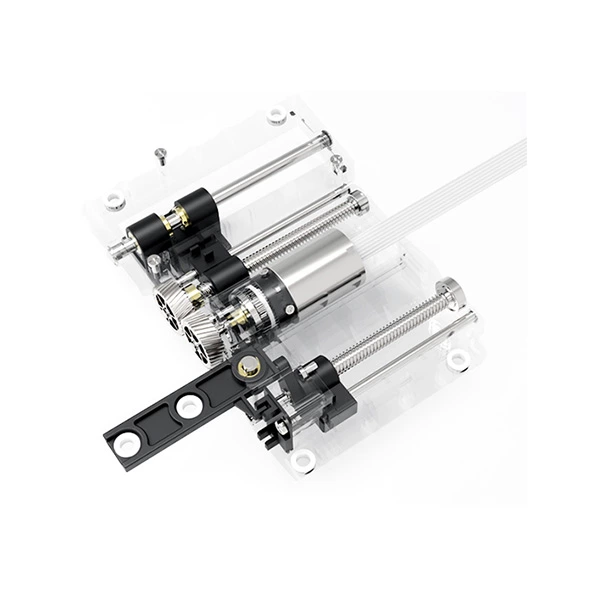
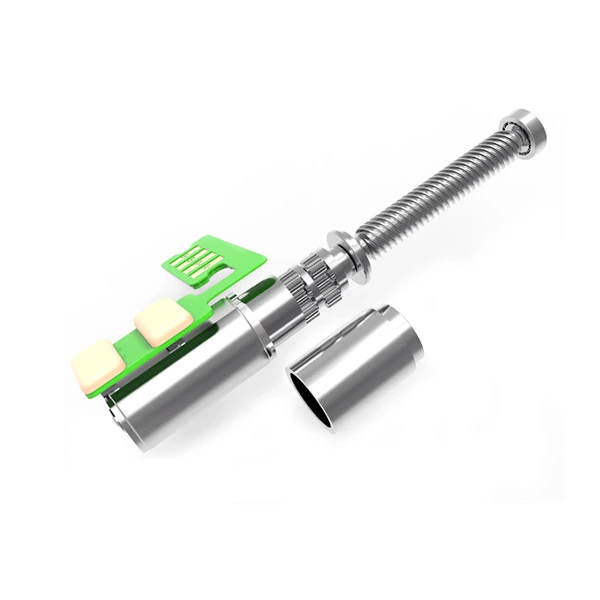
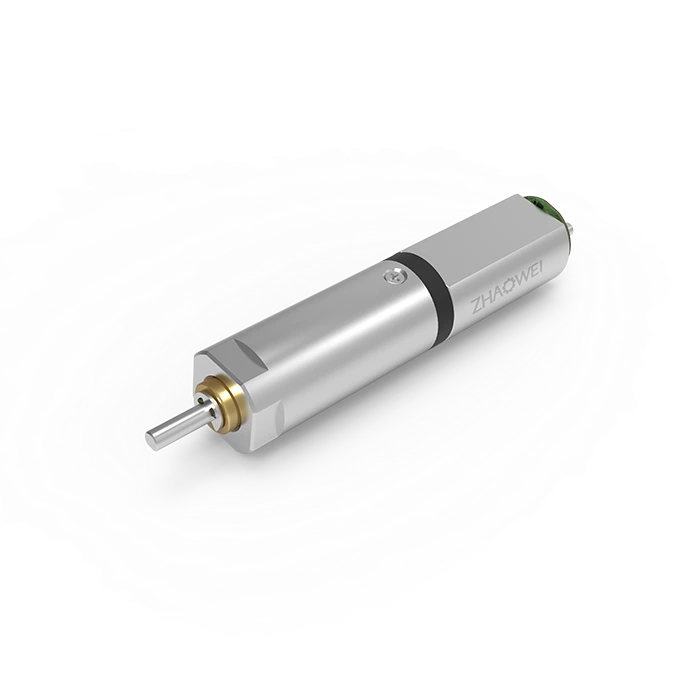
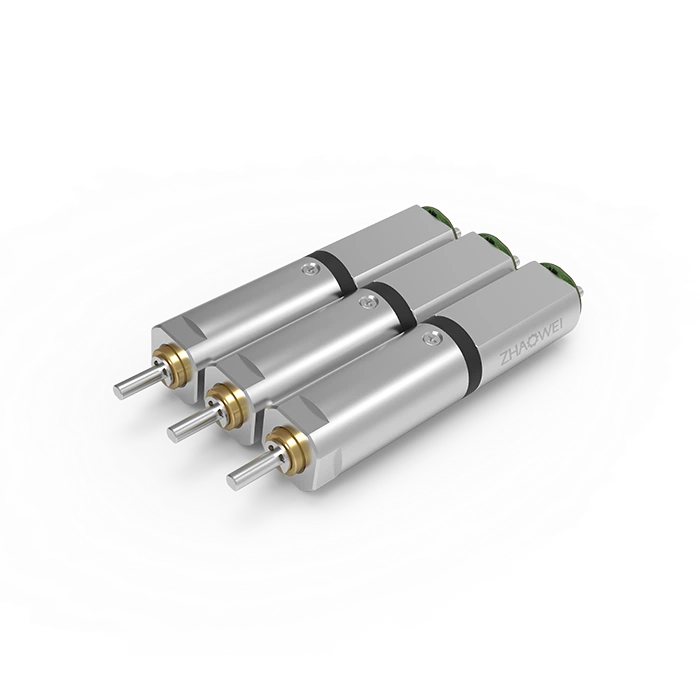
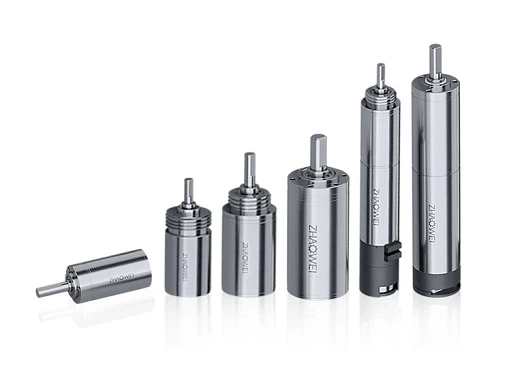
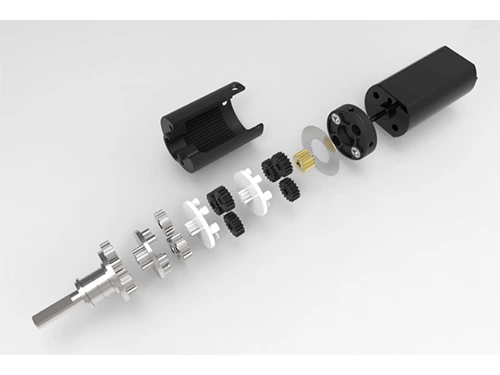
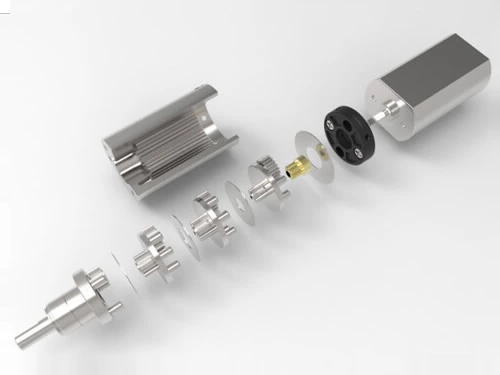
Compact size, high torque, and low rotational speed—this is the classic "trilemma" frequently encountered in robotics, medical devices, and industrial equipment. Every reduction in size or increase in torque necessitates a complete recalculation of efficiency, service life, and cost. **Finding the optimal balance among these factors isn't a matter of simply adding more materials or relying on intuition; it’s about getting the parameters exactly right.Now, Zhaowei is here to show you how to make the right choice.
Q4 How should precision and backlash be specified?
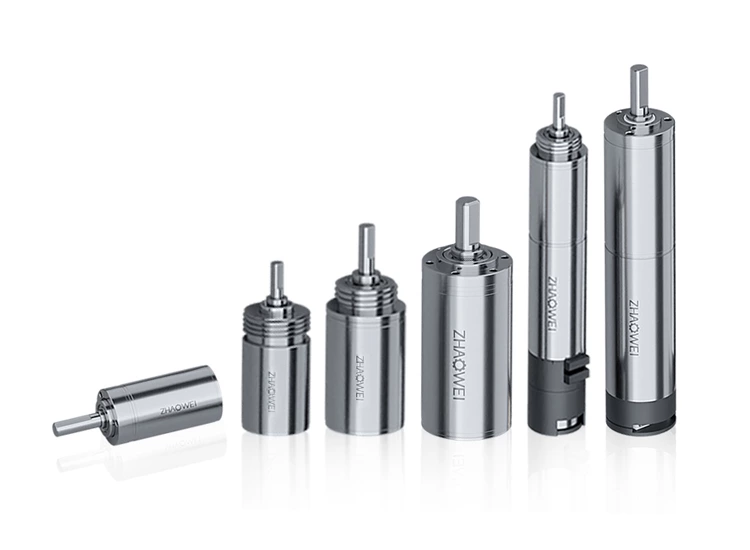
The differences in precision and backlash primarily stem from factors such as gear profile modification, material heat treatment, and concentricity during assembly. For precision miniature gear-motor units, the true value lies not in the gear ratio listed on a spec sheet, but rather in the backlash, transmission error, and the stability of the starting torque. In applications like robotic joints, optical focusing mechanisms, or camera gimbals, specifying these three parameters is far more meaningful than simply stating the gear ratio.
Q5 How should noise, life and temperature rise be assessed?
Look at the lubrication scheme, gear tooth modification and bearing selection. Life should be calculated against rated torque and the temperature-rise curve; sustained overload above 20% cuts life noticeably. At low speed, watch the starting impact torque rather than continuous torque alone.
Q6 Can it be customized, and how do I choose a supplier?
Shaft, flange, cable harness, encoder, reduction ratio and grease can all be customized. When selecting a **micro gear motor manufacturer**, focus on three things: whether the gears are designed in-house, mass-production consistency, and whether the encoder and drive are matched — not unit price alone. The delivery capability behind a **custom micro gear motor** often decides whether a project reaches mass production on time.