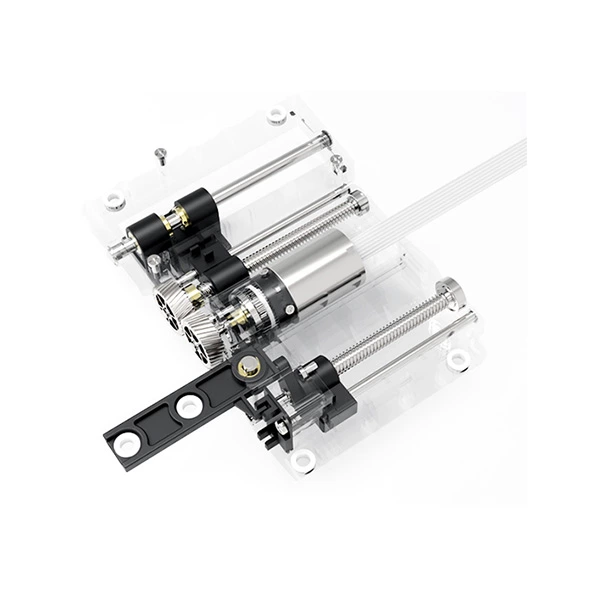
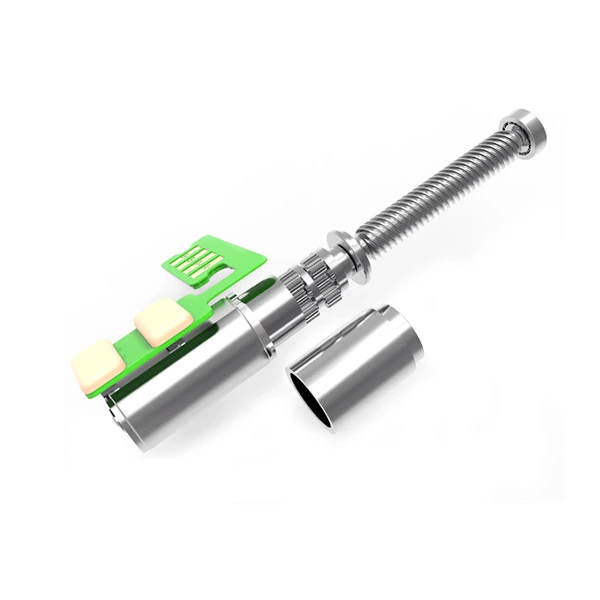
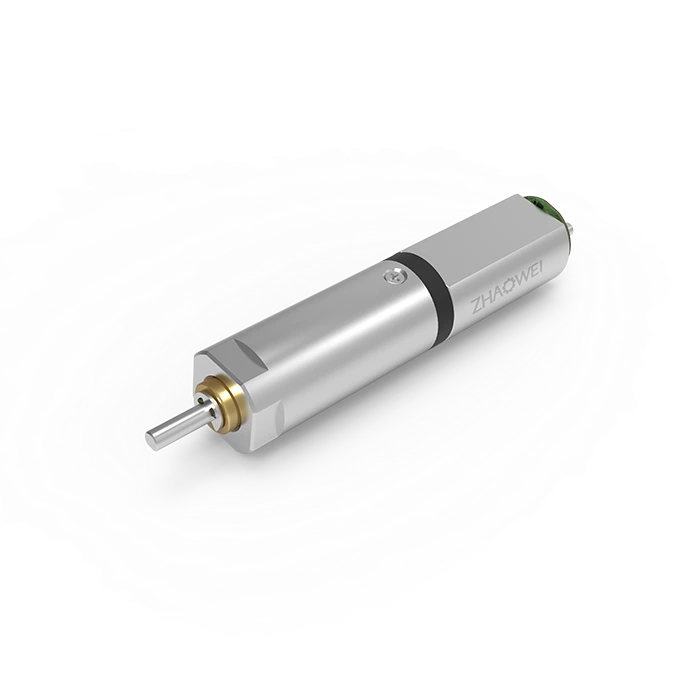
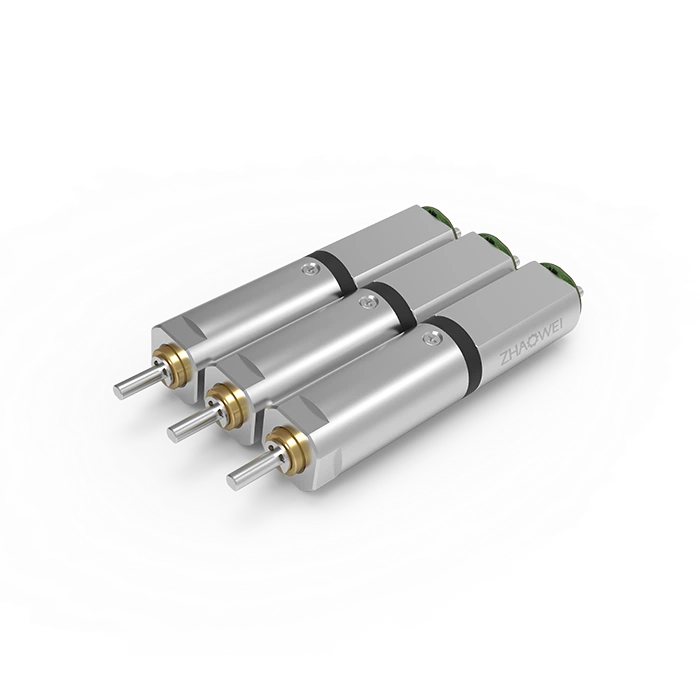
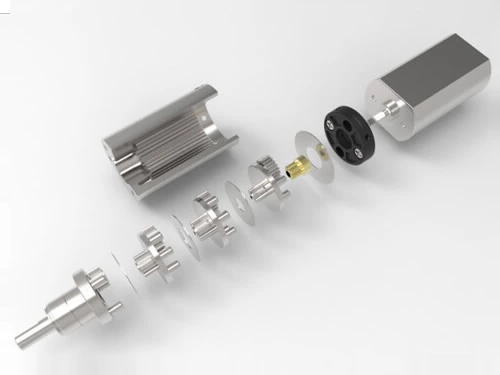
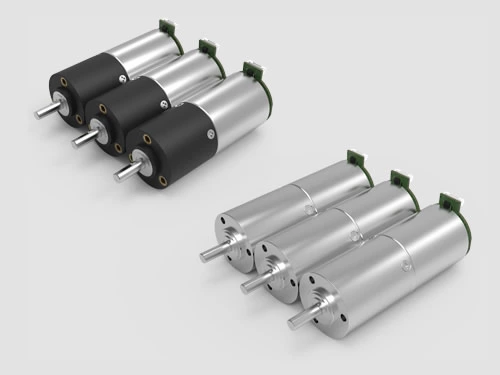
The gear motor is an independent component composed of gear transmission, worm transmission, or gear-worm transmission enclosed in a rigid housing. It plays an important role in matching speed and transferring torque between the prime mover and working machine or actuator, and is widely used in modern machinery.
During operation, abnormal noise and gearbox noise may indicate problems with internal components, gear meshing, bearings, or lubrication. Unusual clicking, grinding, rattling, or whining sounds can affect the performance of a gear motor and may lead to mechanical damage if the underlying problem is not addressed.
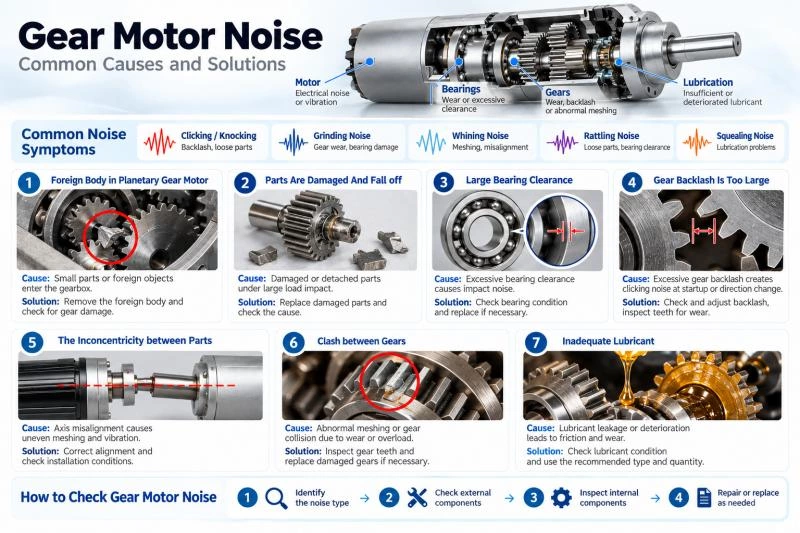
According to the analysis of gear noise, the following are seven common causes of abnormal noise in gear motors and their possible solutions. Understanding these causes can help identify mechanical problems and maintain reliable gear motor operation.
Common Gear Motor Noise Symptoms and Possible Causes
Different types of abnormal sound may indicate different problems. The following table summarizes common gear motor noise symptoms and components that may require inspection.
| Noise Type | Possible Causes | Components to Check |
|---|---|---|
| Clicking or Knocking | Excessive gear backlash, loose parts, or damaged gear teeth | Gear teeth, backlash, and mounting components |
| Grinding Noise | Gear wear, bearing damage, or foreign objects | Gears, bearings, and internal contamination |
| Whining Noise | Gear meshing vibration, misalignment, or lubrication problems | Gear contact, alignment, and lubricant condition |
| Rattling Noise | Loose components or excessive bearing clearance | Bearings, shafts, and fastening components |
| Squealing Noise | Excessive friction or inadequate lubrication | Lubrication and bearing condition |
These sound characteristics are general troubleshooting indicators rather than definitive diagnoses. The actual cause depends on motor speed, mechanical load, installation conditions, and gearbox construction.
7 Common Causes of Abnormal Noise in Gear Motors
1. Foreign Body in Planetary Gear Motor
The abnormal sound produced by foreign bodies in the planetary gear motor is often clear and irregular. This may occur when small parts, assembly tools, metal particles, or other foreign objects accidentally enter the gear motor during installation or maintenance.
Foreign objects can interfere with gear meshing, create impact noise, or damage the gear teeth and bearings during operation.
Solution: Stop the equipment safely and check for possible contamination. If the gearbox is serviceable, remove foreign objects according to the manufacturer's maintenance instructions and inspect the gears for damage. For sealed micro gear motors, professional inspection or replacement may be necessary.
2. Parts Are Damaged And Fall off
The abnormal noise caused by damaged or detached parts is often clear and irregular. Planetary gear motors may experience repeated load impacts during operation, potentially leading to wear, loosening, or damage to internal components.
Damaged bearings, broken gear teeth, loose retaining components, or detached parts can create clicking, rattling, or impact sounds. Such problems may also cause abnormal vibration and unstable transmission.
Solution: Inspect the gear motor for loose or damaged components after safely stopping the equipment. Replace damaged parts and check whether excessive loads, impact forces, or incorrect installation contributed to the failure. Do not continue operating a gear motor with suspected internal component damage.
3. Large Bearing Clearance
Large bearing clearance means that the internal clearance between the rolling elements and bearing raceways exceeds the intended operating range. Excessive clearance may cause unstable shaft movement, vibration, and abnormal noise during operation.
The abnormal noise associated with large bearing clearance may be continuous or periodic and can change as rotational speed increases. Worn bearings may also produce increased vibration, temperature, or rough rotation.
A rolling bearing generally consists of an inner ring, outer ring, rolling elements, and a cage. Wear or damage to these components can affect bearing performance and the alignment of the gear transmission system.
Solution: Check for unusual bearing vibration, shaft movement, and operating temperature. If excessive clearance or bearing damage is confirmed, replace the affected bearing with a suitable component. Also inspect the shaft fit and installation conditions to prevent repeated problems.
4. Gear Backlash Is Too Large
Excessive gear backlash can generate abnormal noise when the gear motor starts, stops, reverses direction, or experiences changing loads. The sound may appear as a clicking or knocking noise caused by impact between mating gear teeth.
During gear meshing transmission, a certain amount of clearance must remain between mating tooth profiles. This clearance, called gear backlash, allows for manufacturing tolerances, lubrication, thermal expansion, and proper gear operation.
If the backlash is too small, thermal expansion and dimensional variations may cause interference or excessive friction. If the backlash is too large, gear teeth may produce stronger impacts during changes in load or rotational direction, resulting in abnormal sound.
Solution: Check gear backlash against the gearbox design specifications. Inspect gear teeth for wear and verify proper shaft alignment and assembly. Excessive backlash may require adjustment or replacement of worn components, depending on the gearbox construction.
5. The Inconcentricity between Parts
The abnormal noise caused by the inconcentricity between parts may be continuous and periodic, sometimes accompanied by noticeable vibration. This condition occurs when the rotational axes of connected components are not properly aligned.
Minor deviations within the allowable tolerance may not significantly affect product performance. However, excessive misalignment can cause abnormal gear meshing, uneven working load distribution, unbalanced forces, and increased mechanical noise.
Long-term operation under these conditions may accelerate gear and bearing wear and reduce the service life of the gear motor.
Solution: Check the alignment of the motor shaft, gearbox components, couplings, and mounting surfaces. Correct installation errors and verify that the components meet the required concentricity tolerances. If internal components are damaged or misaligned, professional servicing may be required.
6. Clash between Gears
Abnormal noise caused by a clash between gears is often relatively loud and may be accompanied by periodic clicking, knocking, or impact sounds.
This condition can result from damaged gear teeth, incorrect gear meshing, excessive loads, shaft misalignment, or foreign objects interfering with normal gear engagement.
Repeated impacts between gear teeth can increase vibration and accelerate wear. If the problem continues, it may eventually lead to serious gear transmission damage.
Solution: Stop the gear motor and inspect the gear teeth, meshing condition, shaft alignment, and supporting components. Replace damaged gears or related parts when necessary. The appropriate repair should be determined after identifying the actual cause rather than replacing components based only on the sound.
7. Inadequate Lubricant
Because gear motors are often installed inside equipment, lubricant leakage or deterioration may not be detected immediately. Inadequate lubricant can reduce the protective film between contacting gear surfaces, increase friction, accelerate gear wear, and produce abnormal noise.
Insufficient lubrication may cause whining, grinding, or squealing sounds, sometimes accompanied by excessive heat generation. Contaminated or unsuitable lubricants can also affect gear meshing and bearing performance.
Solution: Check for lubricant leakage, contamination, or deterioration according to the manufacturer's maintenance requirements. For serviceable gearboxes, use the specified lubricant type and quantity. Sealed or maintenance-free micro gear motors should not be opened or refilled unless permitted by the manufacturer.
How to Check Abnormal Gear Motor Noise
When abnormal noise appears during gear motor operation, the first step is to determine whether the sound is related to motor speed, load, startup, or changes in rotational direction.
Before inspecting the equipment, disconnect the power supply and secure the mechanism against unexpected movement. Check external mounting components, shaft alignment, and operating conditions before considering internal gearbox inspection.
If the gear motor produces sudden impact sounds, severe vibration, overheating, or mechanical jamming, operation should be stopped until the cause has been identified.
For compact planetary gear motors and sealed gearboxes, internal inspection or repair should follow the manufacturer's instructions to avoid additional damage.
Proper installation, suitable loading conditions, and regular monitoring of operating noise can help identify potential mechanical problems before they lead to more serious failures.