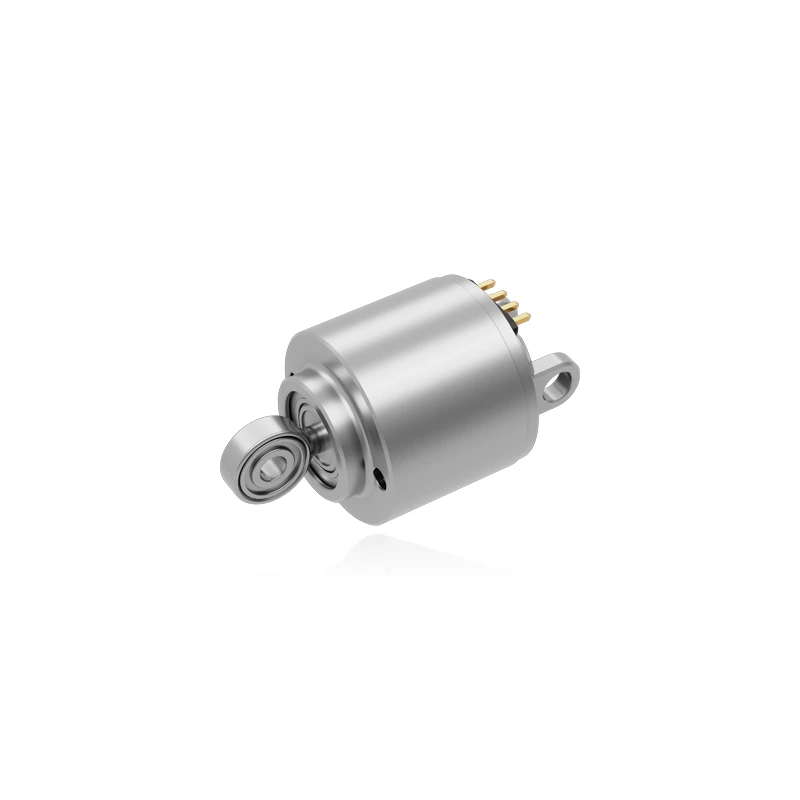
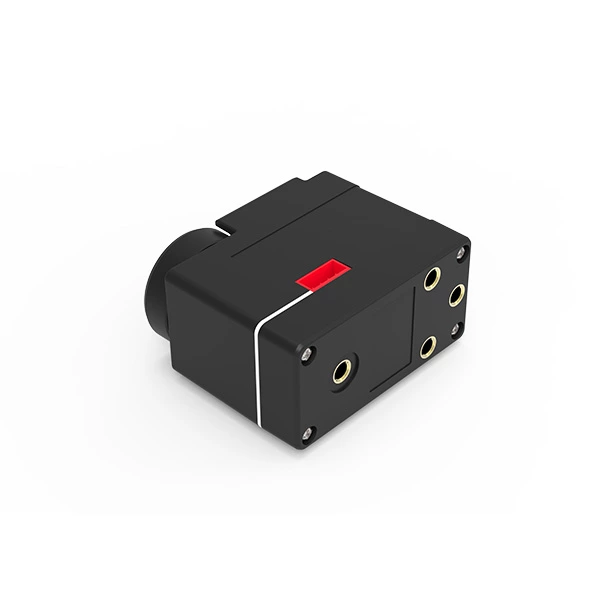
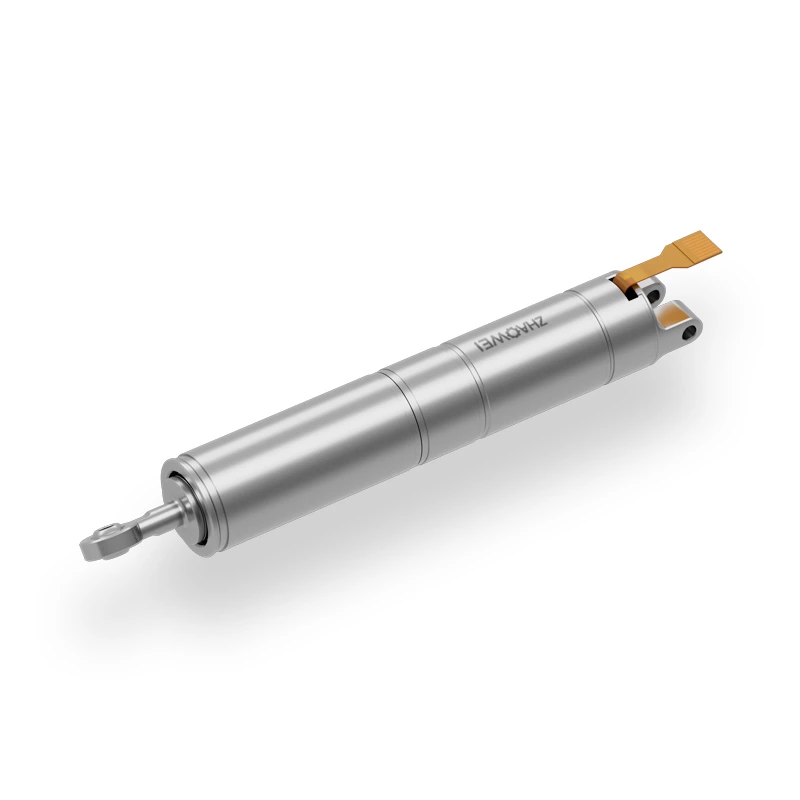
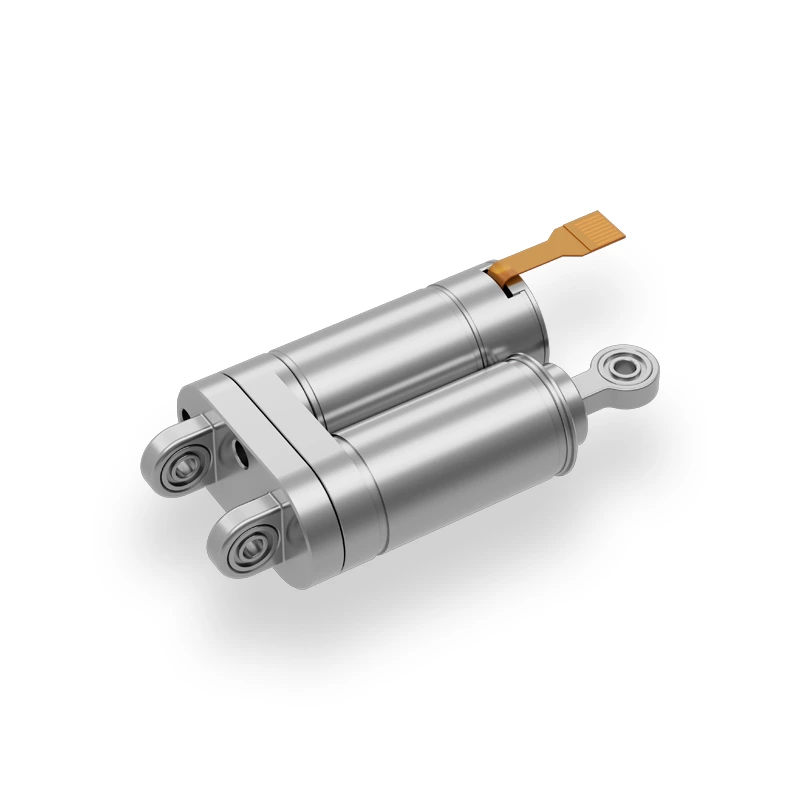
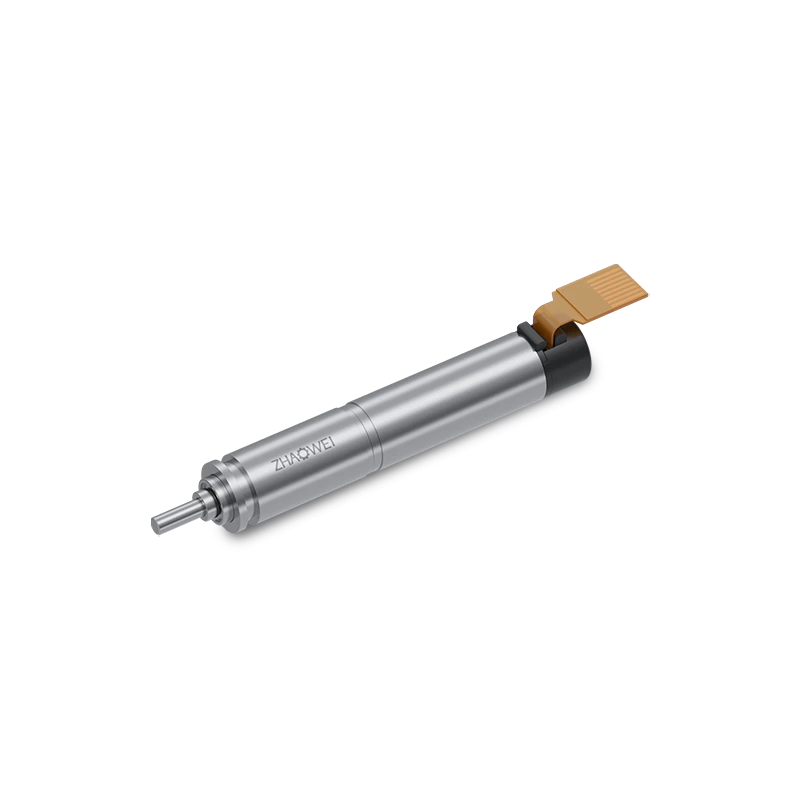
Surgical robots, medical devices and industrial automation rarely run on a single bare motor — most use a motor-plus-gearbox package. Look at each duty profile on its own, and selecting the right combination becomes straightforward.
Q1 What Do Surgical Robots and Medical Devices Demand from a Motor?
A surgical robot motor is judged on smooth low-speed motion, micron-level positioning and low noise; sterilization compatibility needs to be confirmed with the supplier early. A medical device brushless motor is mostly found in infusion pumps, blood-pressure monitors, therapy and massage equipment, where long life and low EMI matter.
Q2 What do industrial automation applications use?
For valves, dispense valves and conveyor rollers, an industrial automation gear motor must resist shock loads and dust, and allow long maintenance intervals. Brushed solutions cost less; brushless ones last longer — the choice depends on design life and downtime cost.
Q3 How Should an Exoskeleton or Bionic Hand Be Specified?
An exoskeleton motor needs high torque density, low backlash and shock tolerance. Bionic hands care more about size and degrees of freedom — usually one motor per finger, with the shortest possible gearbox axially.
ZHAOWEI's high-performance micro gear motors and planetary gearboxes are mainly used in automotive electronics, industrial equipment, medical devices, consumer electronics and robotics. Because duty profile, available space and life requirements vary considerably from one application to another, ZHAOWEI can propose a matching motor-and-gearbox combination and supply samples for validation.