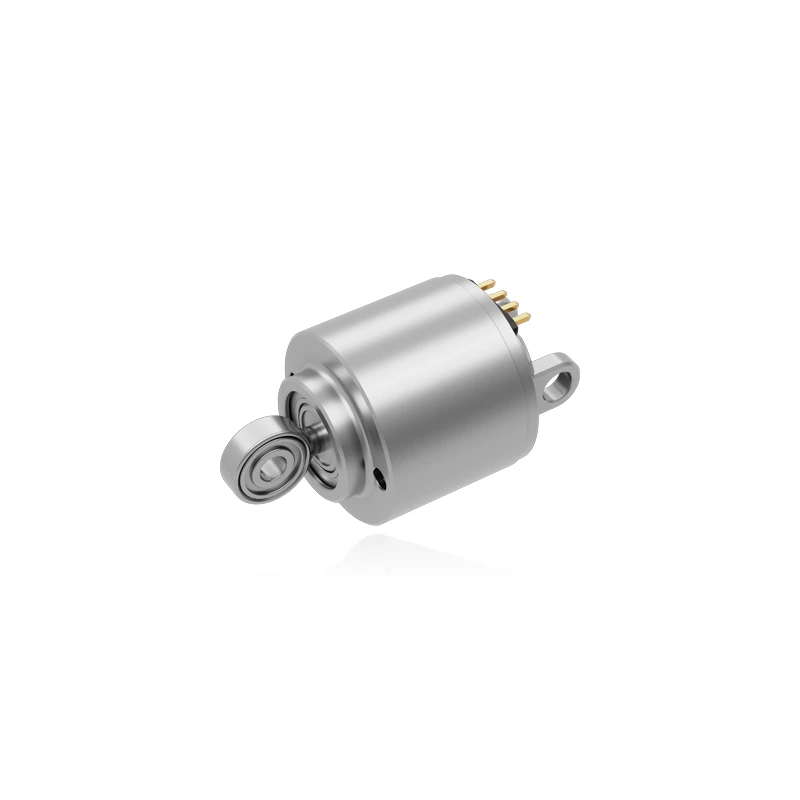
Robot end effectors turn to the high-performance motor series because it delivers fast response, smooth low-speed motion and long life within a limited envelope. That performance comes not only from the gearbox but from the motor itself — brushless, slotless and coreless architectures are becoming the mainstay of end effectors.
Q1 Why Do Dexterous Hands Favor Brushless Hollow Cup Motors?
Dexterous hands favor brushless hollow cup motors for three reasons:: high power density for the same envelope; low rotor inertia for fast, decisive motion; and no cogging torque, so low-speed motion is smooth and positioning does not jitter. That is why requirements described as a dexterous hand motor, robotic finger motor, humanoid robot hand motor or bionic hand motor almost always map to a brushless hollow cup motor paired with a micro planetary gearbox.
Q2 How do slotless motors, coreless motors and coreless gear motors differ?
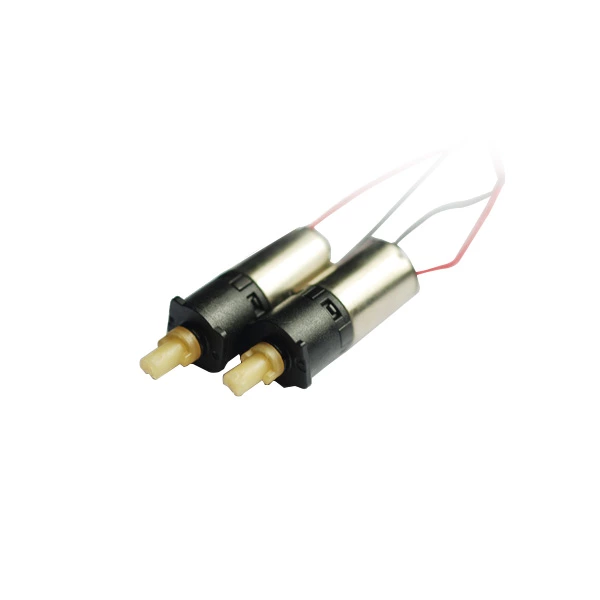
A slotless brushless dc motor has no stator teeth, so torque ripple and noise are low. A coreless rotor has no iron core and very low inertia. Pair a coreless motor with a planetary gearbox and you have a coreless gear motor; step up to a high torque coreless gear motor when more output is needed, balancing fast response with torque. Start from the response requirement, then look at torque.
Q3 How do finger motors and joint motors differ in specification?
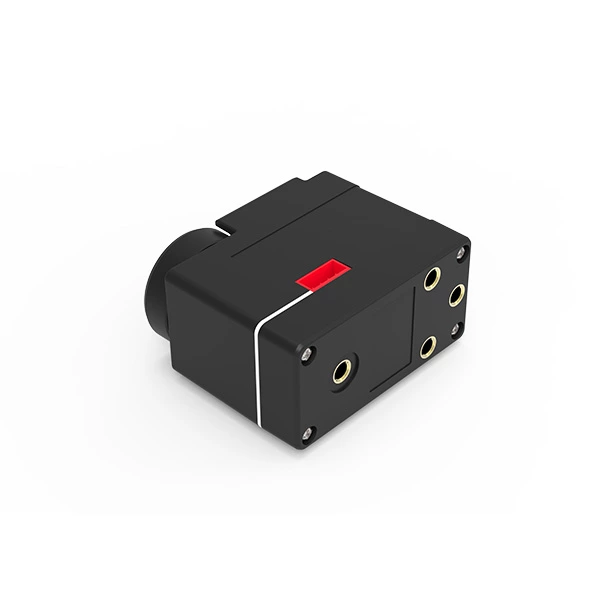
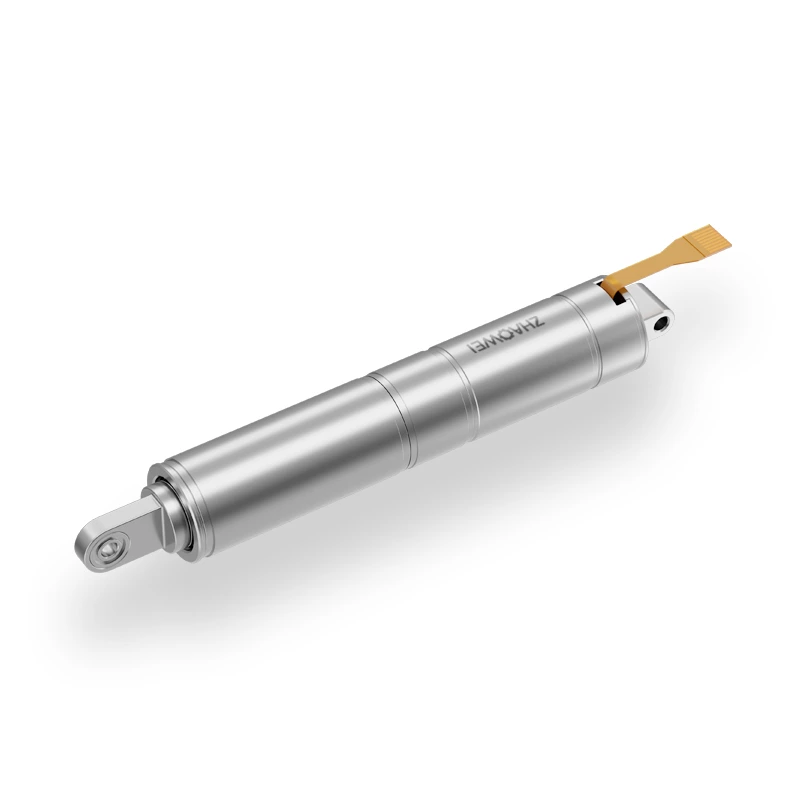
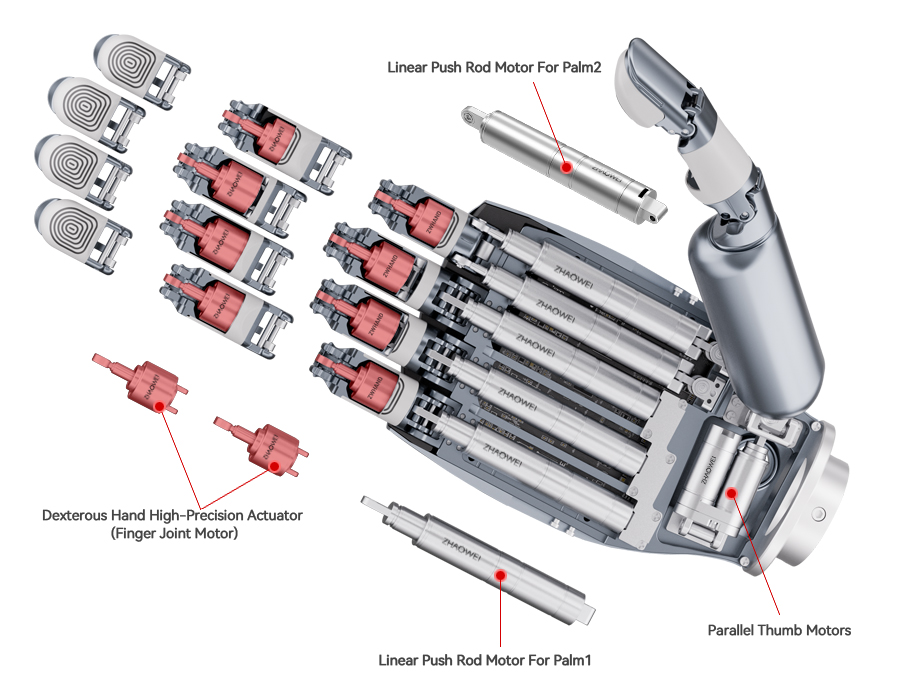
Fingers need 4–8 mm class diameters, low backlash and light weight; joints need higher torque and closed-loop feedback, usually a robotic joint bldc motor with an encoder closing the position loop. ZHAOWEI's robot drive modules include high-precision dexterous hand actuators — Finger Joint Motor, Palm Linear Actuator and Thumb Parallel Linear Actuator—a typical form of precision motor for robotics used in robot end effectors。