DC motors are widely used in robotics, automotive systems, medical devices, smart home products, and industrial automation. Different motor types offer different advantages in torque, speed control, efficiency, lifespan, and cost.
This guide explains the main types of DC motors, their applications, and how to choose the right motor for your project.
What Is a DC Motor?
A DC motor converts direct current (DC) electrical energy into mechanical motion. Compared with AC motors, DC motors are commonly used in applications requiring:
- Precise speed control
- High starting torque
- Compact size
- Battery-powered operation
- Fast response and positioning accuracy
Main Types of DC Motors
1. Permanent Magnet DC Motor (PMDC)
PMDC motors use permanent magnets instead of field windings. They are compact, efficient, and widely used in small electronic systems.
Advantages
- Compact structure
- Low power consumption
- Good starting torque
- Simple design
Common Applications
Smart locks, automotive wipers, power seats, portable medical devices, and home automation products.
2. Brushed DC Motor
Brushed DC motors use brushes and a commutator to transfer current to the rotor. They are cost-effective and easy to control.
Advantages
- Low cost
- Simple speed control
- Good low-speed performance
Limitations
- Brush wear
- Higher maintenance
- Shorter lifespan
Common Applications
Power tools, pumps, toys, vending machines, and small machinery.
3. Brushless DC Motor (BLDC)
BLDC motors use electronic commutation instead of brushes. They offer higher efficiency, lower noise, and longer service life.
Advantages
- High efficiency
- Low maintenance
- Quiet operation
- Long lifespan
- Excellent speed control
Common Applications
Robots, drones, electric vehicles, medical equipment, AGVs, and industrial automation systems.
4. Series Wound DC Motor
Series motors produce very high starting torque because the field winding is connected in series with the armature.
Best For
Heavy startup loads and high-torque applications.
Common Applications
Cranes, hoists, winches, and traction systems.
5. Shunt Wound DC Motor
Shunt motors provide stable speed under changing loads because the field winding is connected in parallel with the armature.
Best For
Continuous operation requiring stable speed.
Common Applications
Conveyors, industrial fans, and machine tools.
6. Compound Wound DC Motor
Compound motors combine the advantages of series and shunt motors, balancing torque and speed stability.
Common Applications
Elevators, rolling mills, heavy conveyors, and industrial drive systems.
7. Separately Excited DC Motor
These motors use an external DC source for the field winding, allowing precise speed and torque control.
Common Applications
Industrial automation, testing systems, and precision control equipment.
DC Motor Comparison Table
| Motor Type | Starting Torque | Speed Control | Maintenance | Best Applications |
|---|---|---|---|---|
| Brushed DC Motor | Good | Good | Medium | Low-cost devices |
| Brushless DC Motor | Good | Excellent | Low | Automation & EV systems |
| PMDC Motor | Good | Good | Low | Compact products |
| Series Wound Motor | Very High | Moderate | Medium | Heavy-load startup |
| Shunt Wound Motor | Medium | Stable | Medium | Constant-speed systems |
| Compound Motor | High | Good | Medium | Industrial drives |
| Separately Excited Motor | High | Excellent | Medium | Precision automation |
Common DC Motor Voltage Options
DC motor voltage directly affects speed, torque, efficiency, heat generation, and overall system performance. Choosing the correct voltage is important for both reliability and motor lifespan.
Common DC motor voltage ratings include 3V, 5V, 6V, 12V, 24V, and 48V.
- 3V–6V DC motors are commonly used in portable electronics, toys, battery-powered devices, and compact smart products.
- 12V DC motors are widely used in automotive electronics, smart locks, small actuators, pumps, and consumer equipment because of their balance between power and safety.
- 24V DC motors are popular in industrial automation, AGVs, robotics, and conveyor systems where higher efficiency and stable operation are required.
- 48V DC motors are commonly found in electric mobility systems, advanced robotics, and high-power automation equipment.
Higher-voltage systems generally allow lower operating current, which helps reduce heat generation and improve transmission efficiency in larger applications.
When selecting motor voltage, engineers typically evaluate:
- Available power supply
- Required torque and speed
- Cable length and current load
- Battery efficiency
- Heat management requirements
- Controller compatibility
How to Choose the Right DC Motor
Selecting the right DC motor involves more than matching voltage and RPM. In real applications, engineers need to evaluate how the motor performs under actual operating conditions.
Load and Torque Requirements
The first step is understanding the load characteristics. Applications such as conveyors, robotic joints, smart actuators, and medical pumps all require different torque profiles.
Many high-speed motors cannot deliver enough usable torque under load. This is why DC gear motors are often used in practical motion systems.
Speed and Control Accuracy
Some applications require stable continuous speed, while others prioritize positioning accuracy or rapid acceleration.
For example:
- Robotics often require precise motion control
- Medical devices prioritize smooth and quiet operation
- Industrial automation systems require stable long-term performance
- Automotive actuators may involve frequent start-stop cycles
Brushless DC motors are commonly preferred in applications requiring accurate speed regulation and long operating life.
Duty Cycle and Lifespan
Continuous-duty applications place higher demands on thermal management, bearing durability, and gearbox reliability.
Brushed motors may work well for intermittent operation, but BLDC motors are usually better suited for high-duty industrial systems because they generate less wear and require less maintenance.
Noise and Operating Environment
Noise control has become increasingly important in smart home products, office equipment, and medical systems.
Motor noise is affected by multiple factors, including:
- Gear precision
- Bearing quality
- Rotor balancing
- Gearbox lubrication
- Housing vibration
Environmental conditions such as dust, humidity, vibration, and ambient temperature should also be considered during motor selection.
Installation Space and Integration
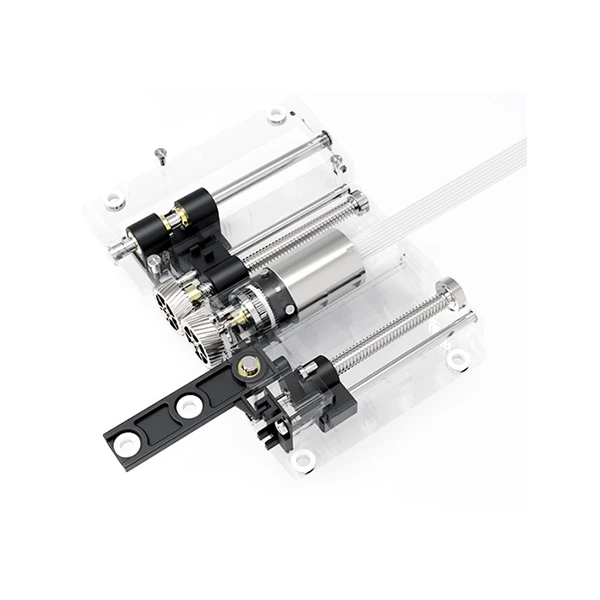
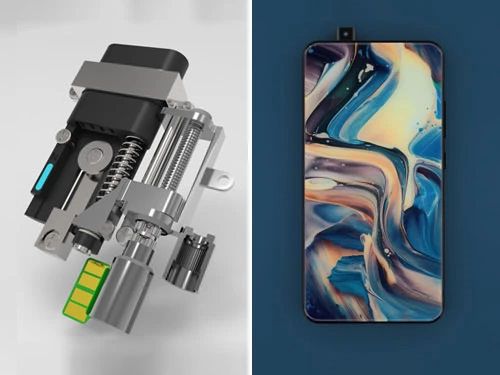
Compact devices often require integrated motor and gearbox solutions. Engineers must evaluate mounting space, shaft orientation, wiring layout, and controller integration early in the design stage.
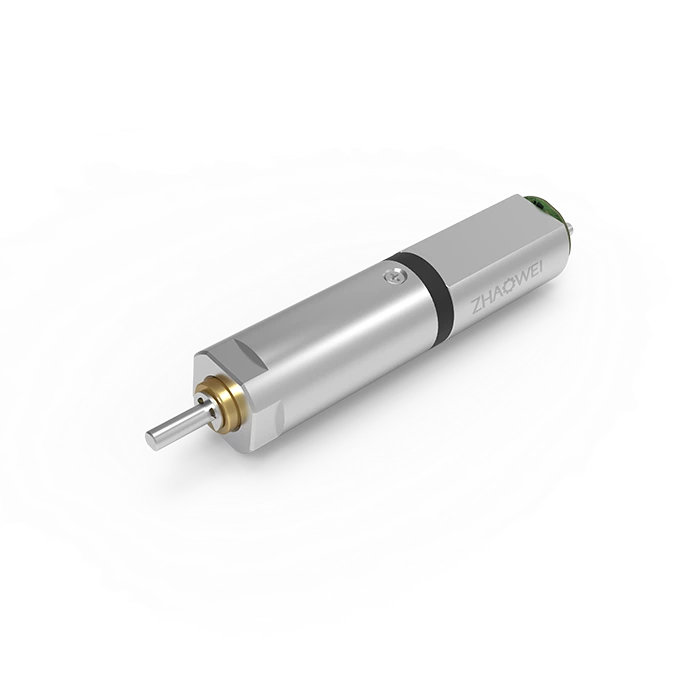
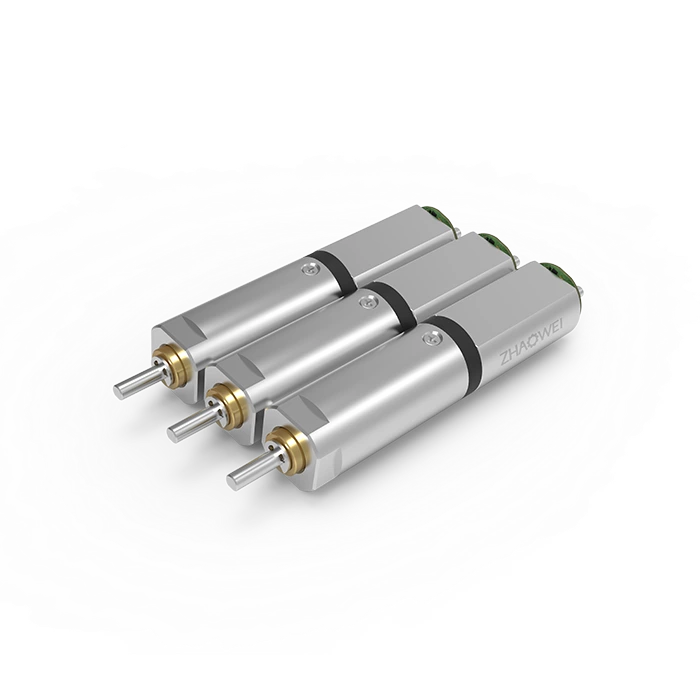
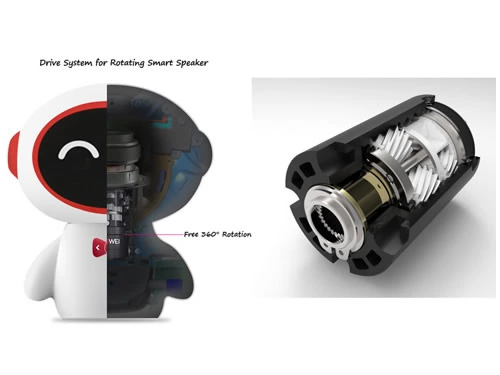
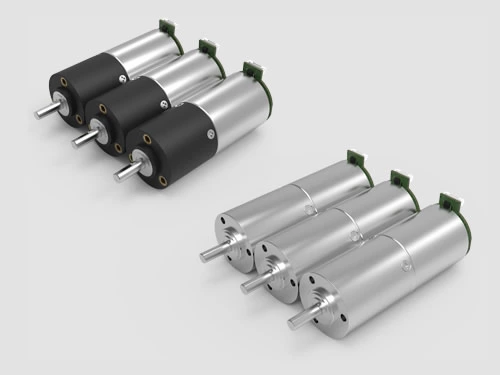
Micro DC gear motors are widely used in smart home systems, compact robotics, automotive electronics, and portable medical equipment where space is limited.
Efficiency and Energy Consumption
Motor efficiency directly affects battery life, operating temperature, and long-term energy consumption.
Although BLDC motors typically have a higher upfront cost, they often provide lower maintenance costs and better long-term reliability in automation systems.
Why DC Motors Use Gearboxes
Most DC motors naturally operate at high speed with relatively low output torque. However, many real-world applications require slower movement and higher torque output.
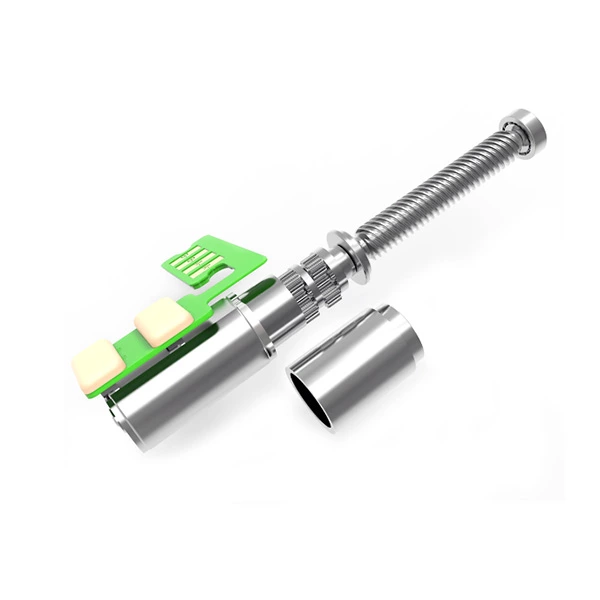
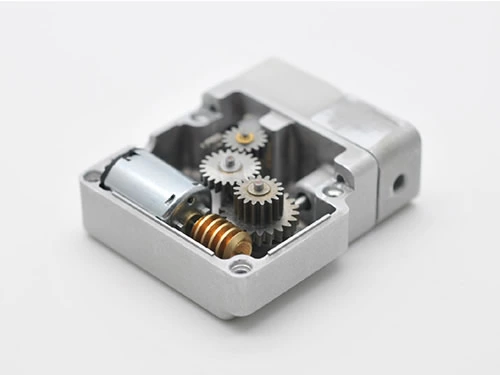
Adding a gearbox helps convert motor speed into usable driving force.
DC gear motors are widely used because gear reduction can:
- Increase output torque
- Reduce operating speed
- Improve positioning accuracy
- Enhance motion stability
- Increase load capacity
- Improve low-speed controllability
Gearboxes are especially important in applications involving frequent stopping, precise positioning, or heavy loads.
Common applications include:
- Robotics and robotic joints
- Automotive actuators
- Electric tailgates and seat systems
- Smart locks
- Medical pumps and surgical devices
- AGVs and conveyor systems
- Industrial automation equipment
The gearbox ratio directly affects motor performance. An incorrect gear ratio may lead to overheating, unstable motion, or excessive wear.
Because of this, many OEM manufacturers prefer customized DC gear motor solutions optimized for their actual load conditions.
Custom DC Gear Motor Solutions
Modern applications often require more than a standard motor. Different industries have unique requirements for torque, noise, efficiency, size, lifespan, and motion control.
ZHAOWEI provides customized DC motors, precision gear motors, and integrated drive solutions for:
- Automotive electronics
- Robotics and intelligent equipment
- Medical devices
- Smart home systems
- Industrial automation
- Consumer electronics
Our engineering team supports complete drive system development, including:
- Gearbox structure optimization
- Torque and speed customization
- Micro drive system integration
- Low-noise gear transmission solutions
- Compact motor design
- High-precision motion control
- OEM and ODM development support
With extensive experience in precision transmission technology, ZHAOWEI helps customers improve product performance, reduce system size, and accelerate product development cycles.
Need help selecting the right DC motor or gear motor solution?
Contact ZHAOWEI for engineering consultation, application analysis, and customized drive system support.
FAQ
What are the main types of DC motors?
Brushed, brushless, PMDC, shunt wound, series wound, compound, and separately excited DC motors.
What is the difference between brushed and brushless DC motors?
Brushed motors use physical brushes; brushless motors use electronic commutation, offering higher efficiency, lower maintenance, and longer lifespan.
Which DC motor is best for industrial automation?
BLDC motors are preferred for efficiency, reliability, and precise speed control.
Why use a gearbox with a DC motor?
A gearbox reduces speed and increases torque for practical load applications.
How do I choose the right DC motor?
Consider torque, speed, voltage, duty cycle, noise, operating environment, and installation space.