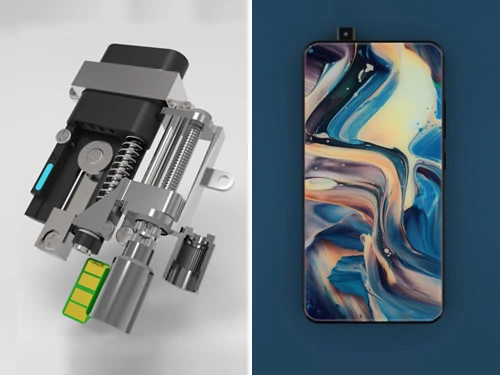
Gear motors are widely used in equipment that requires controlled output speed and sufficient torque to drive mechanical components. By combining an electric motor with a reduction gearbox, they are suitable for applications ranging from heavy industrial machinery to compact electronic devices.
So, what equipment are gear motors used for? Common applications include construction machinery, industrial automation equipment, automotive systems, robots, medical devices, smart home products, and precision instruments. Depending on the operating requirements, equipment may use planetary gear motors, DC gear motors, stepper gear motors, worm gear motors, or other geared drive systems.
Applications of Large and Small Gear Motors
Gear motors can be classified by their size, power, transmission structure, and intended application. Large industrial gear motors and small gear motors perform similar speed-reduction functions but are designed for different equipment requirements.
Large Gear Motors
Large gear motors are generally designed for high-power applications that require substantial output torque and a wide reduction ratio range. They are commonly used in metallurgy, mining, coal processing, building materials, shipping, water conservancy, electric power, construction machinery, and petrochemical industries.
Typical equipment includes industrial conveyors, lifting mechanisms, material handling machinery, and production equipment used to move or process heavy loads.
Small and Mini Gear Motors
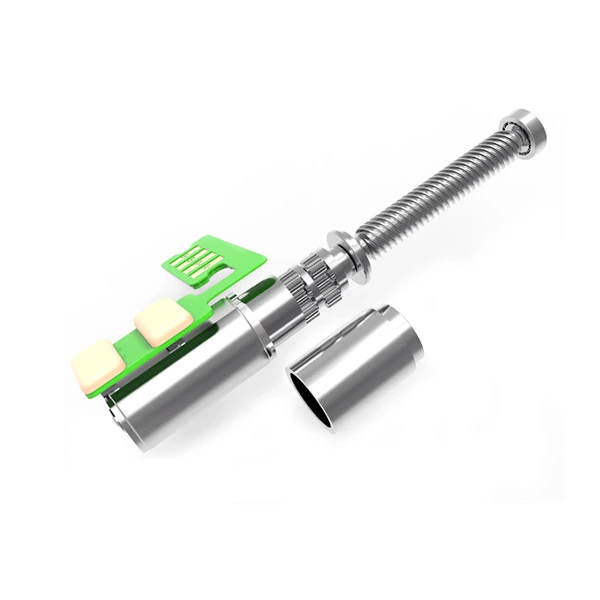
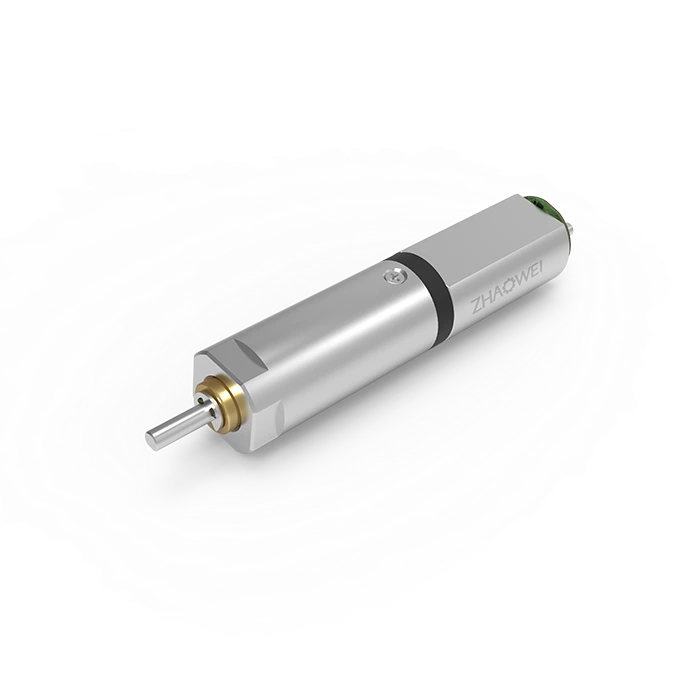
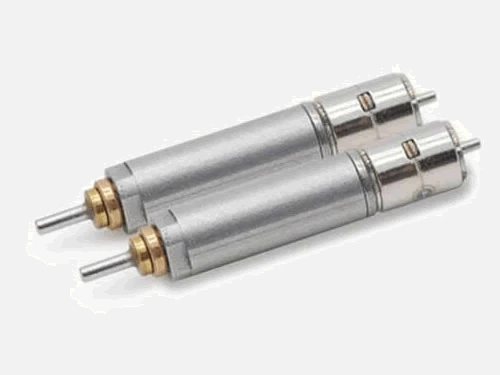
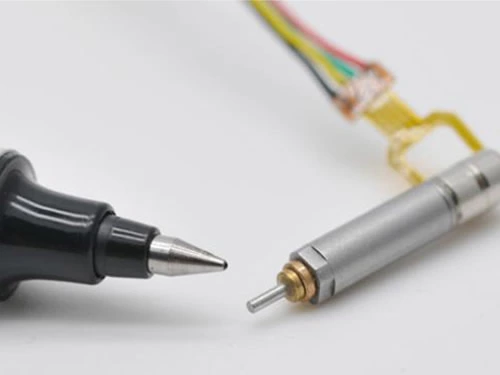
Small gear motors and mini gear motors are designed for equipment where installation space is limited. Depending on the gearbox design, they can provide compact dimensions, controlled output speed, suitable torque, and low-noise operation.
Common applications include smart automobiles, consumer electronics, medical equipment, intelligent robots, communication devices, smart home products, personal care tools, and compact industrial automation equipment.
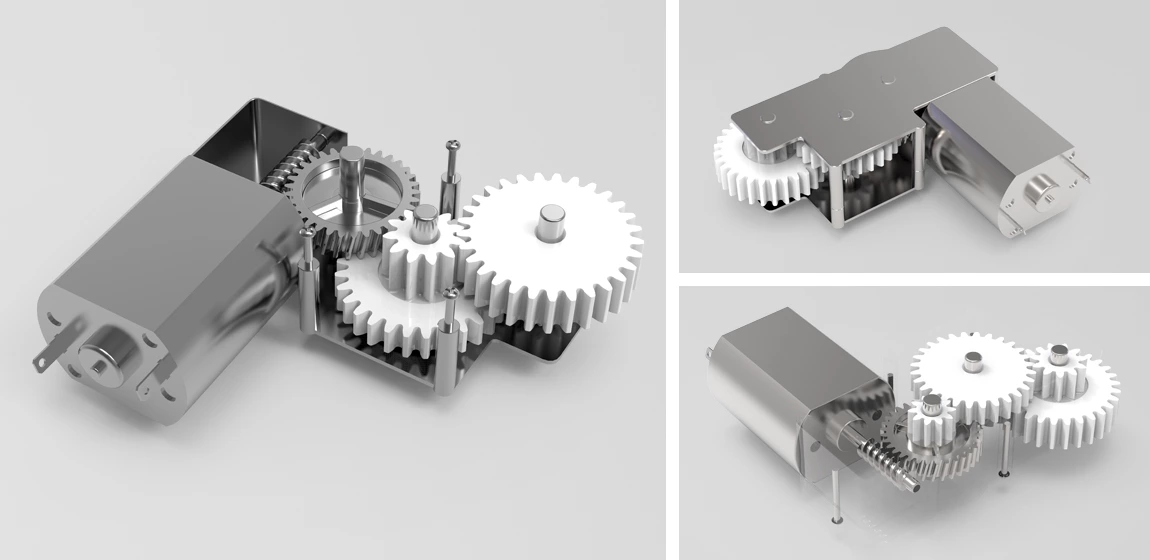
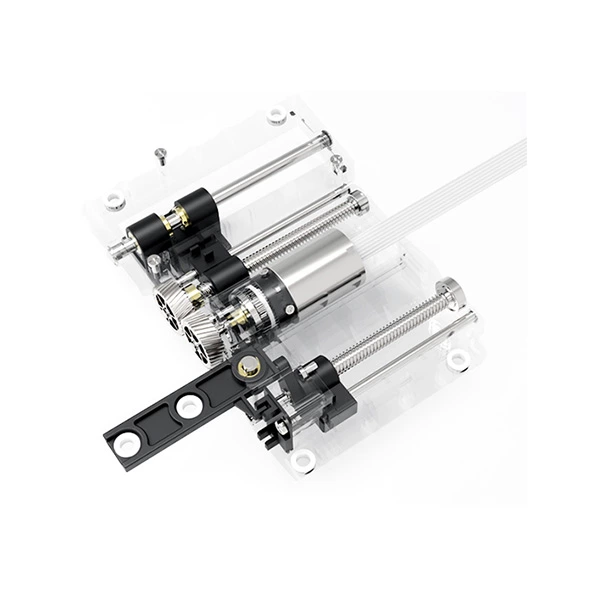
Mini gear motors are frequently integrated into automated mechanisms such as electronic locks, motorized household products, and precision positioning devices. Their dimensions, output shaft, gear ratio, and motor voltage can be selected according to the equipment design.
What Equipment Uses Different Types of Gear Motors?
Different gear motor configurations are suited to different operating requirements. The gearbox structure and motor type influence output torque, speed, size, and motion control characteristics.
Planetary Gear Motor Applications
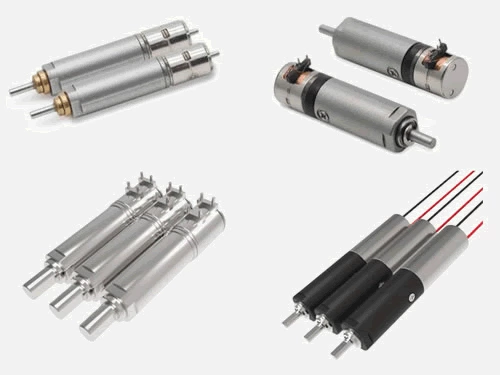
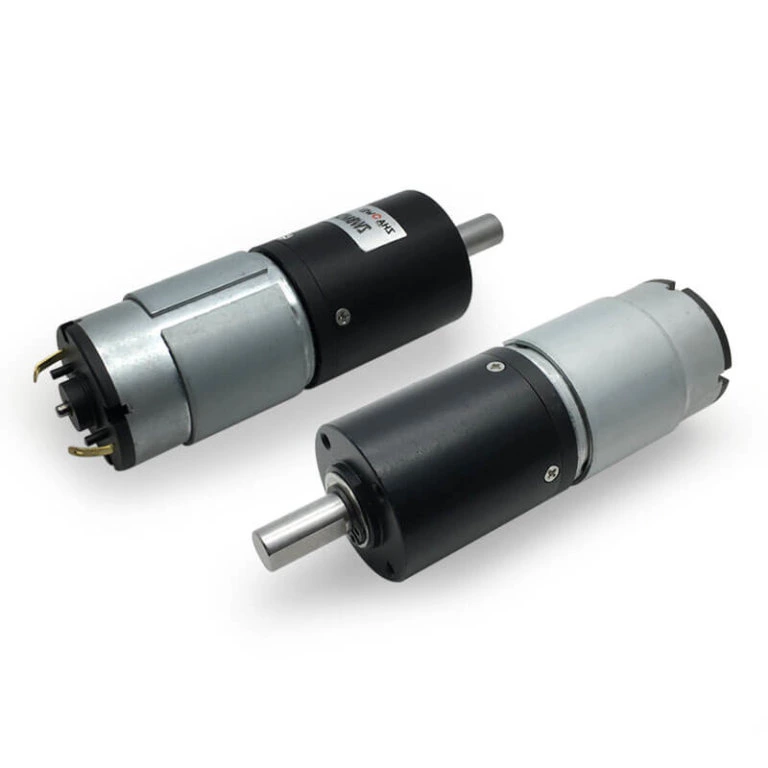
Planetary gear motors use a planetary gearbox in which multiple planet gears share the transmitted load. Their compact coaxial structure makes them suitable for applications requiring relatively high torque within a limited installation space.
Planetary gear motors are used in lifting and transportation equipment, construction machinery, medical instruments, automotive mechanisms, robotic systems, textile machinery, and selected aerospace applications.
DC Gear Motor Applications
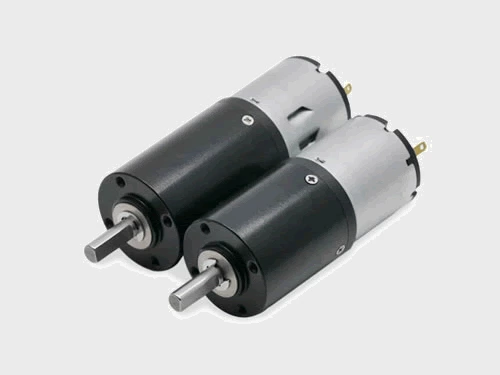
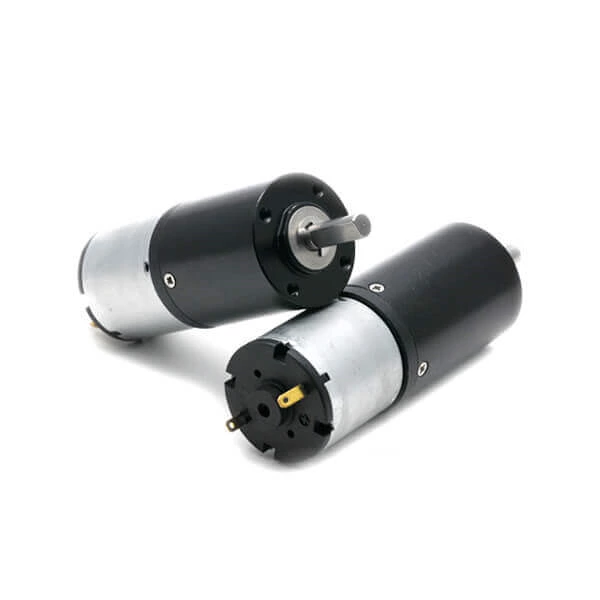
DC gear motors combine a DC motor with a reduction gearbox. They are widely used in electronic and digital products, printers, robots, logistics equipment, electronic locks, camera pan-tilt mechanisms, and precision instruments.
Depending on the application, a DC gear motor may use a brushed or brushless motor. The appropriate configuration depends on operating voltage, required speed, torque, control method, and expected service life.
Stepper Gear Motor Applications
Stepper gear motors combine a stepper motor with a reduction gearbox to provide controlled incremental movement at reduced output speeds. They are commonly used in equipment requiring repeatable positioning.
Typical applications include industrial automation equipment, robotic arms, camera tripod heads, automotive instruments, dispensing valves, office equipment, video conferencing systems, electric curtains, adjustable sofas, and other automated household products.
Positioning performance depends on the stepper motor, gearbox backlash, operating load, and control method.
Robot Gear Motor Applications
Gear motors are important drive components in robotic systems. They provide the torque and speed required to move joints, wheels, grippers, and other mechanical parts.
Applications include intelligent robots, service robots, medical robots, inspection robots, crawling robots, industrial robots, interactive voice communication robots, and educational robots.
Depending on their design, robotic systems may use DC gear motors, planetary gear motors, or geared stepper motors. The selection depends on load capacity, output speed, positioning accuracy, available space, and movement requirements.
How to Choose Gear Motors for Different Equipment
Although gear motors are widely used across different industries, the most suitable configuration depends on the operating conditions of the equipment.
For heavy industrial machinery, continuous torque capacity, durability, and operating load are important. Compact devices generally require smaller dimensions, suitable output torque, and efficient integration. Precision positioning equipment may also require controlled backlash or encoder feedback.
When selecting a gear motor, engineers should consider the required output torque, rotational speed, operating voltage, gearbox ratio, installation dimensions, duty cycle, and environmental conditions.
Custom Gear Motor Solutions for Various Applications
Different gear motor applications require different combinations of motor type, gearbox structure, reduction ratio, and output configuration. Selecting the appropriate drive system helps match motor performance to the equipment's mechanical and operating requirements.
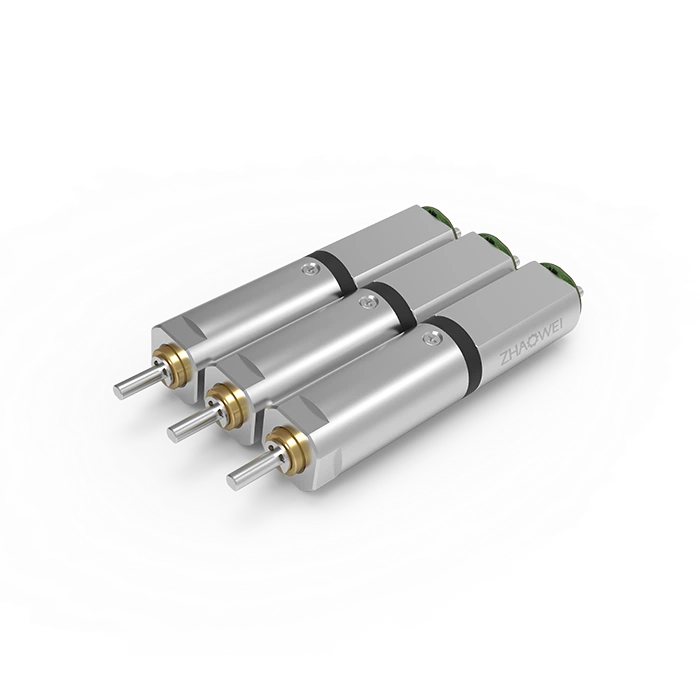
ZHAOWEI provides customized micro gear motors and drive system solutions for robotics, automotive systems, medical equipment, smart devices, and industrial automation applications. Customers can provide their voltage, torque, speed, dimensions, and operating requirements to discuss a suitable gear motor configuration.